


FISH FARMING IN LAKE VICTORIA
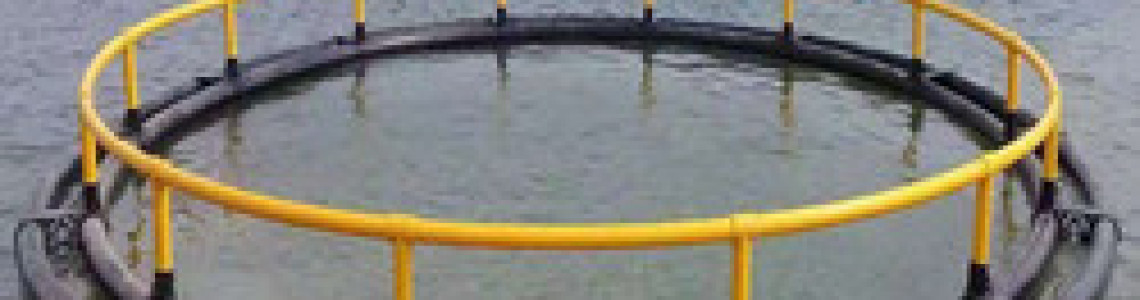
Fish farming in cages in Lake Victoria
Cage fish farming in Lake Victoria is mainly based on Nile tilapia (Oreochromis niloticus). Fish are stocked in floating cages made of metal or HDPE, with water freely flowing through the cage. The system has expanded rapidly, particularly in the Kenyan part of the lake.
Advantages
High fish production per unit of water volume.
Lower infrastructure costs than constructing large ponds.
Easier feeding, harvesting and management.
Provides fish, income and employment for lakeside communities.
Major challenges
Feed waste and fish excreta can increase nitrogen and phosphorus around cages.
Poorly sited or overcrowded cages may contribute to eutrophication and low dissolved oxygen.
Disease outbreaks can be serious where biosecurity is weak; a 2026 Kenyan study found major gaps in biosecurity and reported frequent fish kills and algal blooms.
Escaped farmed fish can interact with wild populations.
Cage farms may conflict with fishing, navigation and other lake uses
Good management practices
Cages should be placed in sufficiently deep, well-flushed water, with appropriate stocking densities and feeding practices. Regular monitoring of dissolved oxygen, nutrients, algal blooms, fish health and cage integrity is essential. Environmental impacts vary considerably with site and farm intensity, so proper site selection is critical.
The Lake Victoria Fisheries Organization (LVFO) has regional cage-farming policies and guidelines relevant to the lake.
Leave a Comment